Guide to Water Heater Replacement in Your Home
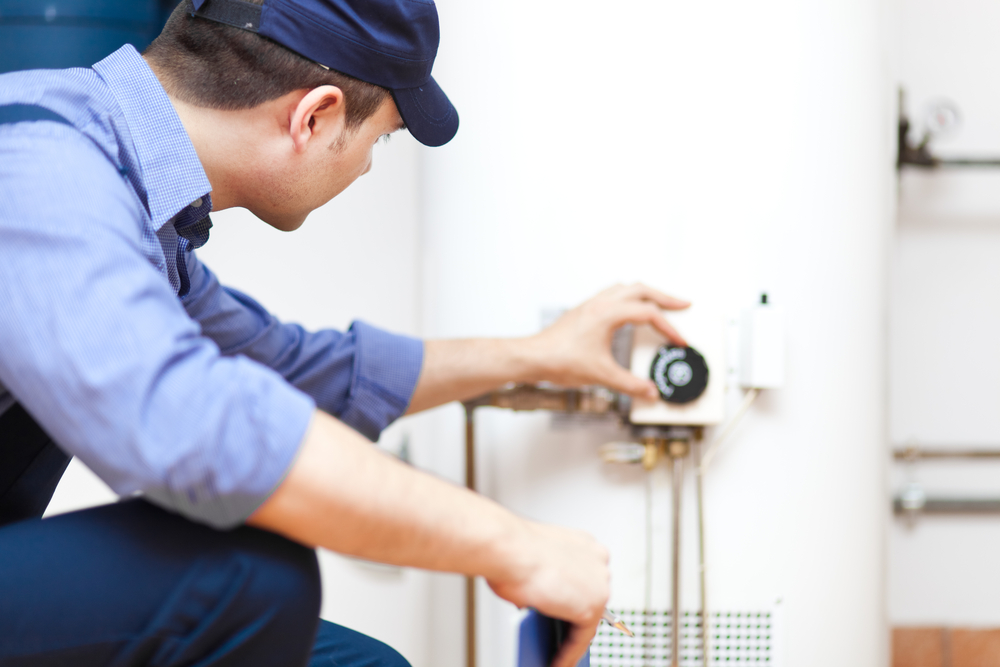
If you are experiencing issues with your water heater, it may be time for a replacement. Understanding the different types of water heaters and how they work can help you make an informed decision. This guide will talk about signs your water heater needs replacing, how to choose a new one, and the replacement process.
Understanding Your Water Heater
Water heaters are an essential part of our daily lives, providing us with hot water for various purposes such as bathing, cooking, and cleaning. It’s important to have a good understanding of how water heaters work and the different types available in order to make an informed decision when it comes to choosing the right one for your needs.
Types of Water Heaters
There are several types of water heaters available, each with its own unique features and benefits. Let’s take a closer look at some of the most common types:
Traditional Storage Tanks
Traditional storage tank water heaters are the most commonly used type. As the name suggests, they consist of a large tank that stores and heats a specific volume of water. When you turn on a hot water faucet, the preheated water from the tank is delivered to you. These water heaters are available in various tank sizes to accommodate different household needs.
One advantage of traditional storage tanks is that they can provide a large supply of hot water, making them suitable for households with high hot water demands. However, they do have a limited capacity, so if you use up all the hot water in the tank, you may need to wait for it to heat up again.
Tankless Water Heaters
Also known as on-demand water heaters, tankless systems are gaining popularity for their energy efficiency and space-saving design. Unlike traditional storage tanks, these heaters heat water only when needed. Activating a hot water faucet triggers the heat exchanger to swiftly raise the cold water’s temperature to meet your requirements.
The standout advantage of tankless water heaters is their on-demand hot water supply, eliminating the need for a storage tank and ensuring an endless flow of hot water. Additionally, they outperform traditional storage tanks in energy efficiency by avoiding the constant heating and reheating of water. Explore these options for efficient tankless water heater replacements.
Heat Pump Water Heaters
Heat pump water heaters are another energy-efficient option that uses electricity to move heat from the air or ground to heat the water. They work similarly to a refrigerator but in reverse. Instead of removing heat from the inside, they extract heat from the surrounding environment and transfer it to the water.
Heat pump water heaters are a great choice for those looking to reduce their energy consumption and lower their utility bills. They are particularly effective in warm climates where the ambient air temperature is consistently higher. However, they may not be as efficient in colder climates where the air temperature drops significantly.
How a Water Heater Works
Now that we have explored the different types of water heaters, let’s delve into how they actually work:
In a traditional storage tank water heater, cold water enters the tank through a dip tube located near the top. The dip tube ensures that the incoming cold water is directed to the bottom of the tank, allowing it to be heated. Inside the tank, a gas burner or electric heating elements heat the water to the desired temperature.
As the water heats up, it rises to the top of the tank, ready to be used when you turn on a faucet. When you open a hot water tap, the hot water is drawn from the top of the tank and replaced by cold water entering through the dip tube. This continuous cycle ensures a constant supply of hot water.
A thermostat is responsible for monitoring and controlling the temperature of the water in the tank. It senses the temperature and signals the heating elements to turn on or off accordingly, maintaining a consistent temperature. This ensures that the water is always at the desired level of warmth, providing you with comfort and convenience.
Understanding how your water heater works and the different types available can help you make an informed decision when it comes to choosing the right one for your home. Consider factors such as your hot water needs, energy efficiency, and budget to find the perfect water heater that meets your requirements.
Signs Your Water Heater Needs Replacement
Age of Your Water Heater
One of the first signs that your water heater may need replacement is its age. On average, a water heater will last between 8 and 12 years. If your water heater is reaching the end of its lifespan, it may be time to consider a replacement, even if it is still functioning.
Inconsistent Hot Water Supply
If you notice that your hot water supply is inconsistent, with water fluctuating between hot and cold, it could be a sign of a failing water heater. This could be caused by a faulty thermostat or a buildup of sediment in the tank, affecting its ability to heat water effectively.
Noise and Leaks
Noise coming from your water heater or visible leaks around the unit are clear signs that something is amiss. The presence of sediment or mineral buildup can cause strange noises, while leaks indicate damage to the tank or connections, which can lead to further problems if left unaddressed.
Evaluating Replacement Options
Energy Efficiency Considerations
When choosing a water heater replacement, energy efficiency should be a key consideration. Look for models with a high energy efficiency rating, such as ENERGY STAR certified units, to reduce your energy consumption and lower your utility bills.
Size and Capacity Choices
Ensure that you choose a water heater that has the appropriate tank size and capacity for your household’s needs. A larger household with a higher demand for hot water may require a larger tank or multiple tankless units to meet their needs adequately.
Cost of Replacement Units
The cost of the replacement unit is another factor that needs to be considered. While it may be tempting to go for the cheapest option, keep in mind that a quality water heater is an investment that will provide reliable hot water for years to come. Consider the long-term benefits rather than solely focusing on the initial cost.
The Replacement Process
Hiring a Professional vs DIY
Deciding whether to hire a professional or tackle the water heater replacement yourself depends on your skill level and comfort with plumbing projects. It’s better to hire a licensed plumber for installation because they have the expertise and it’s safer and more efficient.
Necessary Tools and Materials
If you choose to replace the water heater yourself, you will need a few tools and materials. These may include a pipe wrench, adjustable wrench, pipe cutter, Teflon tape, soldering torch, and solder. It is essential to gather all the necessary items before starting the replacement process to ensure a smooth installation.
Step-by-Step Replacement Guide
Follow these steps to replace your water heater:
- Turn off the power and gas supply to the existing water heater.
- Drain the tank by connecting a hose to the drain valve and opening it.
- Disconnect the water supply lines and disconnect any gas or electrical connections.
- Remove the old water heater and properly dispose of it.
- Place the new water heater in the desired location.
- Connect the water supply lines, ensuring they are tight and secure.
- Reconnect any gas or electrical connections, following the manufacturer’s instructions.
- Open the water supply valve and fill the tank.
- Check for any leaks and address them if necessary.
- Turn on the power and gas supply to the new water heater.
Remember, safety should always be a top priority when working with water heaters. If you are unsure about any part of the replacement process, it is best to consult a professional plumbing company. By following this guide, you will be well-equipped to make an informed decision about water heater replacement and have a reliable source of hot water in your home. In the Lowcountry, replacement is also the moment to get the height of the unit right relative to base flood elevation.